Tesla Headlight Condensation: Causes, DIY Fixes & Prevention
Some links are affiliate links. As an Amazon Associate I earn from qualifying purchases. Check vehicle compatibility before buying. How recommendations work.
Discovering moisture or fog inside your Tesla headlights is frustrating — and unfortunately, quite common across all Tesla models. Whether you own a Model 3, Model Y, Model S, or Model X, condensation can reduce nighttime visibility, damage expensive LED components, and make your car look neglected. The good news: most cases can be fixed at home for under €40 without a Tesla Service Center visit.
In this guide, we'll cover exactly why Tesla headlights develop condensation, how to fix it yourself step-by-step, and how to prevent it from returning.
Why Do Tesla Headlights Get Moisture Inside?
Headlights aren't hermetically sealed units. Every modern headlight — Tesla or otherwise — has small ventilation holes that allow air to circulate as the LED modules heat up and cool down. This pressure equalization is by design, but it also means humid air can enter.
Condensation forms when:
- Rapid temperature drops cause humid air inside the housing to condense on the cooler lens surface — common after rain or when driving from warm areas into cold weather
- Blocked or clogged vents trap moisture that would normally escape through natural airflow
- Degraded gasket seals allow water to enter during rain or car washes, especially on vehicles older than 3-4 years
- Hairline cracks in the housing from road debris impacts (stones, gravel) that may not be visible without close inspection
- Manufacturing defects where factory seals weren't properly applied — these are covered under Tesla's warranty
Which Tesla Models Are Most Affected?
While all Tesla models can develop headlight condensation, some are more susceptible:
- Model 3 (2017-2020): Earlier production runs had reports of weaker headlight seals. The Highland refresh (2024+) improved sealing.
- Model Y: Similar headlight design to Model 3, with comparable condensation rates.
- Model S (pre-facelift): Older sealing materials degrade faster, especially in humid climates.
- Model X: Falcon wing door cars have more complex front-end airflow that can push water toward headlight vents.
Signs of Headlight Condensation Problems
Not all moisture is a problem. Here's how to tell normal from abnormal:
Normal (No Action Needed)
- Thin, even mist that clears within 20-30 minutes of turning on headlights
- Light fogging after a car wash that disappears on its own
- Brief condensation during sudden temperature changes
Abnormal (Needs Fixing)
- Visible water droplets clinging to the inside of the lens
- Foggy or hazy appearance that doesn't clear after 30+ minutes with headlights on
- Moisture that returns repeatedly even after sunny days
- Water pooling at the bottom of the headlight housing
- Reduced light output, uneven beam pattern, or flickering LEDs
- Yellowing or discoloration of the internal reflector coating
If you're seeing any abnormal signs, it's time to fix it before the moisture damages your LED modules — a repair that costs €800-1,500+ for a full headlight replacement.
DIY Solutions for Headlight Condensation
Method 1: Natural Evaporation (Minor Condensation)
Difficulty: Easy | Cost: Free | Time: 1-2 hours
For light condensation that appears occasionally:
- Park in direct sunlight with headlights on high beam for 30-60 minutes
- The heat from the LEDs combined with sun warmth will evaporate moisture through the vents
- Crack the frunk slightly to improve airflow around the headlight area
- If condensation returns within a week, proceed to Method 2
Method 2: Vent Cleaning & Desiccant (Moderate Condensation)
Difficulty: Easy-Medium | Cost: €5-20 | Time: 30-60 minutes
Blocked vents are the most common cause of persistent condensation. Cleaning them and adding desiccant often solves the problem permanently.
Step 1: Locate and Clean the Vents
- Open the frunk and locate the headlight assembly from behind
- Find the rubber vent tubes — usually 1-2 per headlight, located on the back or bottom of the housing
- Use compressed air to blow out any debris, dirt, or spider webs (yes, spiders love these vents)
- Check that rubber vent caps aren't pinched or collapsed
Step 2: Add Desiccant Packets
- Access the headlight housing area through the wheel liner or frunk
- Place 2-3 silica gel packets near (not blocking!) the vent holes
- Secure packets with zip ties so they don't rattle or shift
- Replace packets every 3-6 months, or when the indicator beads change color
Method 3: Reseal the Headlight (Severe Condensation)
Difficulty: Hard | Cost: €20-50 | Time: 3-5 hours
For persistent moisture that keeps returning despite clean vents and desiccant, the headlight seal has likely failed and needs replacement.
Tools Needed:
- Heat gun (or hair dryer on highest setting)
- Butyl headlight sealant tape
- T25 Torx screwdriver
- Plastic trim removal tools
- Lint-free microfiber cloths
- Isopropyl alcohol (90%+ for cleaning)
Step 1: Remove the Headlight Assembly
- Disconnect the 12V battery for safety
- Remove the front bumper or wheel liner for access (varies by model)
- Disconnect all electrical connectors — photograph each one before disconnecting
- Remove mounting bolts (T25 or T30 Torx, typically 3-4 bolts per headlight)
- Carefully pull the headlight assembly free
Step 2: Open and Dry the Housing
- Use a heat gun on low setting (150-200°C) to soften the existing butyl sealant around the perimeter
- Work slowly — apply heat for 20-30 seconds per section, then gently pry with a plastic tool
- Carefully separate the lens from the housing body. Do not force it — apply more heat if needed
- Clean the interior with isopropyl alcohol and lint-free microfiber
- Inspect the reflector coating for water damage — if it's flaking or discolored, the headlight may need replacement
- Allow housing to dry completely in a warm, dry area (24+ hours recommended, or use a low heat gun to speed drying)
Step 3: Reseal and Reinstall
- Remove all old sealant residue from both the lens and housing groove
- Apply fresh butyl sealant tape around the entire perimeter — don't leave any gaps
- Press the lens firmly and evenly into the housing
- Apply gentle heat around the perimeter to cure and bond the sealant
- Verify the seal by gently pressing the lens — you should feel no give or air movement
- Ensure all vent tubes are clear and properly seated
- Reinstall the headlight, reconnect all electrical connectors, and reattach the bumper/liner
- Reconnect the 12V battery and test headlight operation
Method 4: Professional Repair or Replacement
When DIY methods don't work, or if you find internal damage:
Third-Party Repair Shops: Many automotive lighting specialists can reseal headlights professionally for €100-200. They often have vacuum-sealing equipment that provides a better seal than hand application.
Tesla Service Center: If under warranty, Tesla replaces the entire headlight assembly. Out of warranty, expect €800-1,500 per headlight for parts and labor.
Aftermarket Headlights: Available for some Tesla models at €400-800, though quality and fitment vary. OEM is always recommended for reliability.
Preventing Future Condensation
Prevention costs nothing and saves expensive repairs:
- Check vents every 6 months — blow them out with compressed air during routine maintenance. This is the single most effective prevention step.
- Inspect seals annually — look for cracks, gaps, or hardened sealant, especially after your Tesla is 3+ years old
- Park in covered areas during rapid temperature changes — garage parking dramatically reduces condensation risk
- Avoid direct pressure washing at headlight edges and vent openings. Use low pressure near headlight seams.
- Precondition before driving in cold, humid weather — this warms the headlight area and reduces initial condensation
- Apply PPF (Paint Protection Film) — while primarily for scratch protection, PPF over headlights adds an extra moisture barrier on the exterior surface
- Keep cabin air filter fresh — a clean cabin air filter improves overall climate system efficiency, which helps with front-end thermal management
When to Seek Professional Help
Contact Tesla Service or a qualified specialist if:
- Condensation doesn't improve after vent cleaning and desiccant methods
- You notice water visibly sloshing inside the housing
- LED elements show signs of corrosion, flickering, or color shift
- The housing has a visible crack that needs bonding or replacement
- Your vehicle is under warranty — always try the free option first
- You're not comfortable removing the bumper or working with a heat gun near plastic components
If condensation persists despite repeated DIY attempts, a full headlight replacement may be necessary. Catching it early means you're replacing seals, not entire assemblies.
Cost Comparison: DIY vs Professional
| Solution | DIY Cost | Professional Cost | What It Fixes |
|---|---|---|---|
| Vent cleaning | Free | N/A | Blocked drainage |
| Desiccant packets | €5-15 | N/A | Excess humidity |
| Reseal headlight | €20-50 | €100-200 (specialist) | Failed gaskets |
| Single headlight replacement | €400-800 (aftermarket) | €800-1,500 (Tesla OEM) | Cracked housing / internal damage |
| Both headlights replaced | €800-1,600 (aftermarket) | €1,500-3,000+ (Tesla) | Full refresh |
For most Tesla owners, vent cleaning + desiccant (€5-15) solves the problem permanently. Resealing is the next step if it doesn't. Full replacement is truly a last resort.
Model-Specific Notes
Model 3 / Model Y
- Headlight access is easiest through partial front bumper removal
- Vent tubes are located on the rear-lower section of the housing
- T25 Torx bolts secure the assembly (3 bolts per side)
Model S (Pre-2021)
- Headlights are accessible through the frunk and wheel liner without full bumper removal
- Older sealant tends to harden and crack — resealing is more common on these models
- Consider combining headlight work with 12V battery replacement if the battery is due
Model X
- More complex front-end due to active air suspension and falcon wing door mechanisms
- Recommend professional removal if you're not experienced with Model X front-end disassembly
- Side repeater camera replacement is a good time to inspect headlight seals nearby
Headlight condensation affects all vehicle brands, not just Tesla. The key difference is Tesla's LED-intensive lighting systems make moisture damage more expensive. Regular inspection and quick action keep repair costs minimal.
Related Guides
- Headlight Replacement — Full headlight swap when condensation has caused internal damage
- Front Bumper Removal — Required for headlight access on Model 3/Y
- Tail Light Replacement — Similar moisture issues can affect rear lights
- Rear Camera Blurry — Camera condensation and moisture troubleshooting
- PPF Installation — Protect headlights from chips and add moisture barrier
- Cabin Air Filter — Maintain thermal management for front-end components
- 12V Battery Replacement — Always disconnect before headlight work
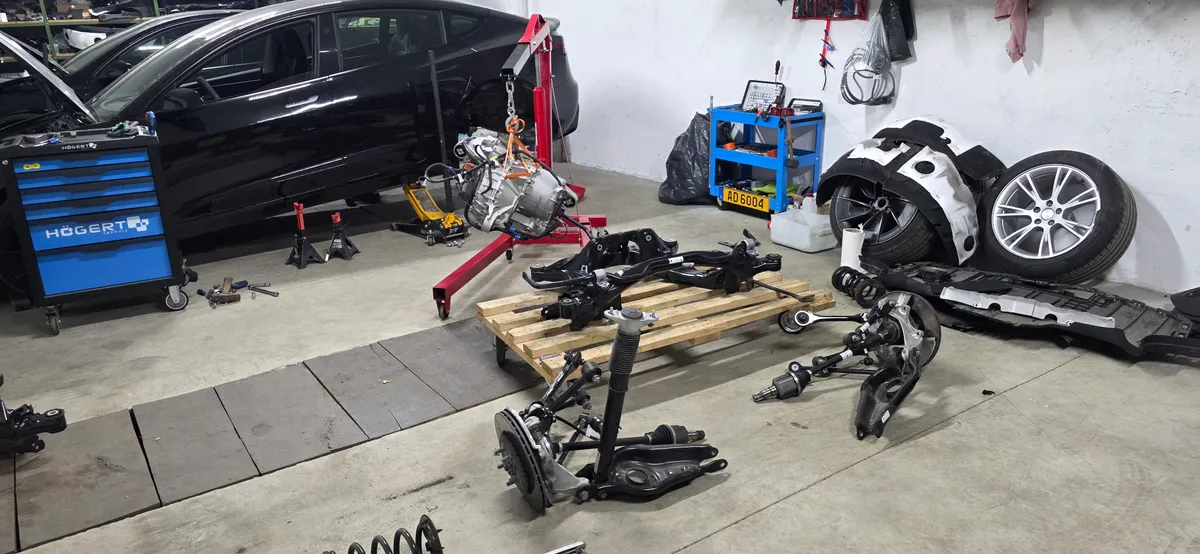
Tools and parts to check
Match the tool or part to your vehicle and the procedure before ordering. Search links show listings, not a verified fit. Check the seller's specifications, delivery region and current price.
- Silica Gel Desiccant Packets
- Headlight Sealant (Butyl Tape)
- Heat Gun
- T25 Torx Screwdriver Set
- Microfiber Cleaning Cloths
- Compressed Air Duster
- Headlight Sealant (Butyl Tape) US
Some links earn a commission from qualifying purchases. Storefront availability and compatibility vary.