Tesla Trunk Won't Close? Latch Reset & Fix Guide
A Tesla trunk that won't close properly is more than an inconvenience—it's a safety issue and can drain your 12V battery through repeated attempts. This common problem usually stems from latch misalignment, dirty sensors, or worn components. Most fixes take less than 30 minutes with basic tools.
Common Causes of Trunk Closing Issues
Before grabbing your tools, identify which type of problem you're experiencing:
- Trunk won't latch at all - striker or latch misalignment
- Trunk latches then pops open - sensor or latch mechanism issue
- Power trunk won't close automatically - motor or sensor problem
- Trunk closes but shows warning - sensor needs cleaning or recalibration
- Grinding or unusual sounds - mechanical obstruction or worn parts
Quick Fixes to Try First
1. Manual Override Close
If the power trunk won't work, try closing it manually:
- Press the trunk button to stop any automatic movement
- Gently pull the trunk down by hand
- Apply firm pressure until you hear the latch click
- If this works, the issue is likely the motor or sensor, not the latch
2. Clean the Latch and Sensors
Dirt and debris are often the culprit:
- Open the trunk fully
- Locate the latch mechanism on the trunk lid
- Spray silicone lubricant on the latch
- Wipe away debris with a microfiber cloth
- Clean the striker on the body as well
Adjusting the Trunk Striker
If cleaning doesn't help, the striker likely needs adjustment:
Step 1: Locate the Striker The striker is the U-shaped metal piece on the car body that the trunk latch grabs onto.
Step 2: Loosen the Striker Bolts
- Use a T30 Torx screwdriver
- Loosen bolts just enough to allow movement (don't remove completely)
Step 3: Adjust Position
- If trunk won't reach latch: move striker UP slightly
- If trunk is too tight: move striker DOWN slightly
- If trunk sits crooked: adjust LEFT or RIGHT
Step 4: Test and Tighten
- Hold striker in new position
- Close trunk gently to test alignment
- When satisfied, tighten bolts firmly
- Test automatic close function
Fixing the Trunk Latch Mechanism
If the striker adjustment doesn't solve the problem:
Check the Latch for Damage
- Open the trunk and examine the latch assembly
- Look for bent or broken components
- Test that the latch releases and catches smoothly by hand
Lubricate Moving Parts
- Apply silicone spray to the latch mechanism
- Open and close the latch by hand several times
- Wipe away excess lubricant
Replace the Latch (if necessary)
If the latch is damaged, replacement parts are available from Tesla or aftermarket suppliers. This is a straightforward bolt-on replacement.
Sensor Reset Procedure
Sometimes the trunk sensor needs recalibration:
- Open the trunk fully
- Press and hold the close button for 10 seconds
- Release and wait for any beeps
- Close the trunk manually
- Test the automatic function
For Model 3/Y specifically:
- Go to Controls > Service > Trunk
- Follow on-screen calibration instructions
Power Trunk Motor Issues
If the trunk moves slowly or stops mid-travel:
- Check for obstructions in the hinge area
- Listen for grinding sounds indicating motor strain
- Feel for resistance when closing manually
Motor replacement is possible but typically requires Tesla Service due to calibration requirements.
Preventing Future Issues
- Clean latch monthly with silicone lubricant
- Don't slam the trunk - let the power close work
- Check weatherstripping for debris buildup
- Avoid overloading which strains the hinges
When to Visit Tesla Service
- Latch mechanism is physically broken
- Motor replacement needed
- Warning messages persist after adjustments
- Water leaks after striker adjustment
Cost Comparison
| Fix | DIY Cost | Tesla Service |
|---|---|---|
| Lubrication | €10-15 | €100+ |
| Striker adjustment | €0 (tools only) | €150-200 |
| Latch replacement | €50-100 | €300-500 |
| Motor replacement | N/A | €400-700 |
Most trunk closing issues are simple alignment problems that take minutes to fix once you understand the mechanism.
Regular maintenance of trunk components prevents most closing issues. A quick spray of lubricant every few months goes a long way.
Related Guides
- Frunk Won't Open - Similar latch mechanisms
- Door Handle Not Working - Related electrical latch issues
- Window Reset Calibration - Similar calibration procedures
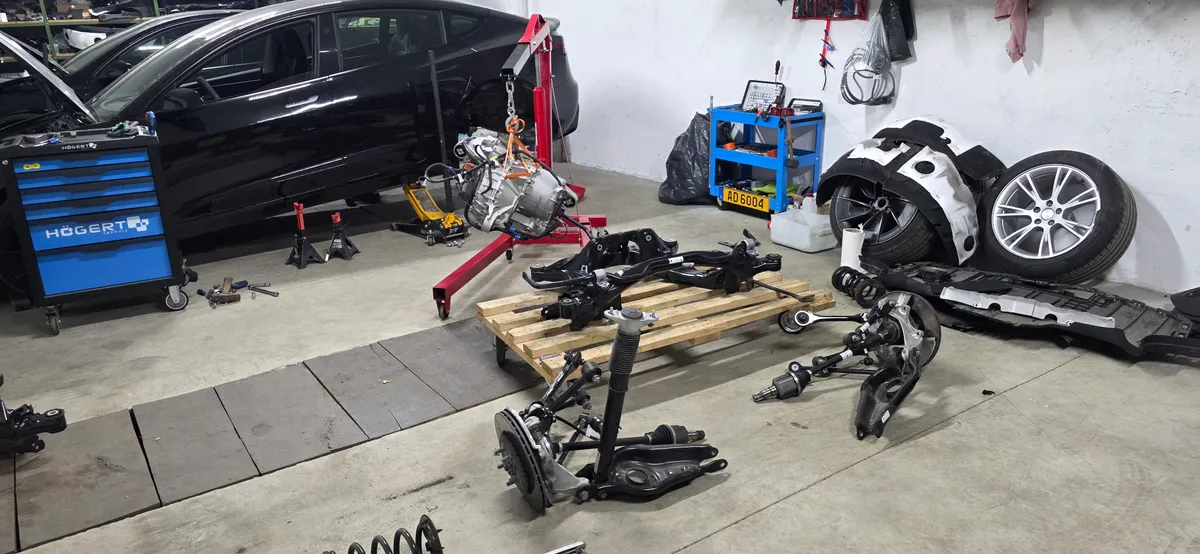
🛠️ Tools Needed for This Repair
These are the tools I personally use and recommend. Using quality tools makes the job easier and safer.
-
T30 Torx Screwdriver
-
Silicone Lubricant Spray
-
Microfiber Cloths
We earn commissions from qualifying purchases through our affiliate partners. This helps support the site at no extra cost to you.