2026 Tesla Model Y Juniper: Every Known Problem and How to Fix Them
The 2026 Tesla Model Y "Juniper" is the biggest refresh since the original Model Y launched. New front end, redesigned interior, updated tech, and a fresh rear light bar. It's a genuinely better car than its predecessor.
But it's not without problems. Some are hardware defects, some are software quirks, and some are controversial design decisions. Here's everything that's gone wrong — and what you can do about it.
Note: This guide covers issues specific to the 2026 Juniper refresh. For pre-2026 Model Y problems, those are different cars with different issues.
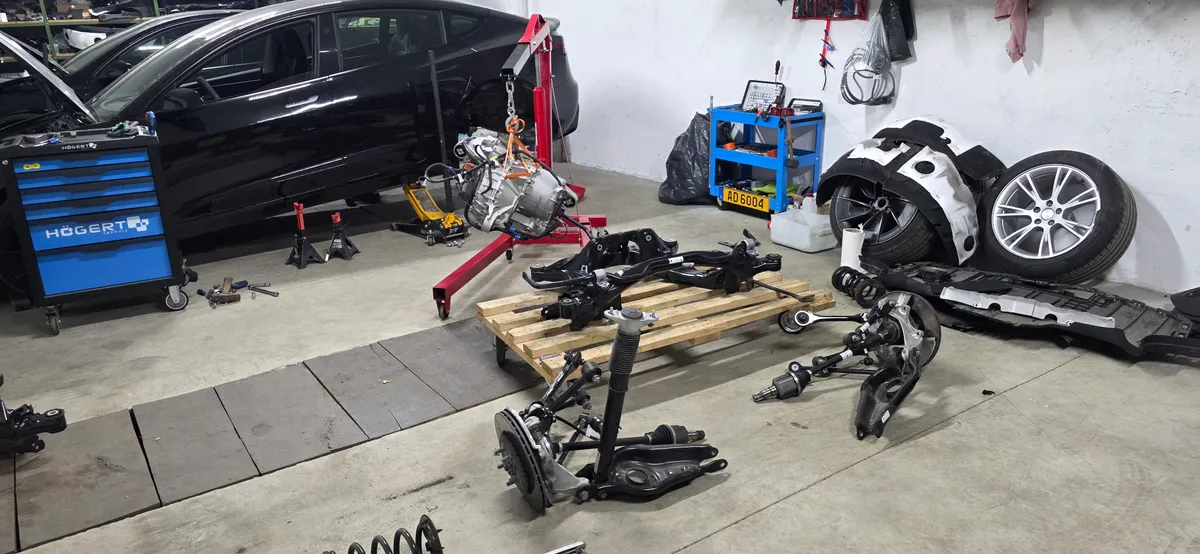
1. Suspension Rattle — The Big One
Severity: High | Status: Acknowledged by Tesla | Fix: Service appointment
This is the most widespread Juniper issue. A loud clunking or rattling noise from the front suspension, especially over bumps, rough roads, and at low speeds.
What It Sounds Like
- A metallic clunk when going over small bumps
- Rattling over uneven pavement
- Most noticeable at low speeds (parking lots, residential streets)
- Can come from front left, front right, or both sides
How Widespread Is It?
Very. There's a 139-page thread on Tesla Motors Club documenting the issue, a Change.org petition with growing signatures, and it's been confirmed by Tesla engineering as a known defect affecting both AWD and RWD variants.
What Tesla Is Doing
Tesla Service centers are replacing the affected suspension components under warranty. However, some owners report the rattle returning after the fix — suggesting the replacement parts may have the same underlying issue.
What You Should Do
- Document it — record video with audio of the rattle, noting road conditions
- Schedule a Tesla Service appointment through the app
- Mention the known issue — reference the TMC thread if the advisor isn't familiar
- Don't wait — suspension issues can worsen over time and the fix is covered under warranty
- If it returns after repair — schedule again and escalate. Persistence matters.
2. Autopilot and Cruise Control Changes
Severity: Medium | Status: Design decision (not a defect) | Fix: Software update may improve
The Juniper removed the traditional turn signal stalk, replacing it with buttons on the steering wheel. This fundamentally changed how Autopilot and Traffic-Aware Cruise Control (TACC) work — and many owners are frustrated.
What Changed
Pre-Juniper (stalk):
- Single pull down = TACC (cruise control)
- Double pull down = Autopilot (lane keeping + cruise)
- Easy to switch between them at any time
Juniper (stalkless):
- Single press of right scroll wheel = Autopilot OR TACC (depending on settings)
- No easy way to switch between TACC and Autopilot mid-drive
- Overriding the steering disengages everything (TACC and Autopilot)
Why It's Frustrating
- You can't spontaneously switch between cruise control and full Autopilot
- Using the turn signal during Autopilot can disengage the system
- Lane changes require re-engaging Autopilot after override
- The learning curve is steep for owners upgrading from pre-Juniper Teslas
What You Can Do
- Check your Autopilot settings — go to Controls > Autopilot and review the activation options
- Practice in a quiet area — the new system takes getting used to
- Watch for software updates — Tesla has been iterating on the Autopilot UX based on feedback
- Join the discussion — Reddit and TMC have active threads sharing tips for the new system
3. AC Won't Turn Off
Severity: Low-Medium | Status: Software bug | Fix: Software update expected
After the 2025.45.10 software update, some Juniper owners report the AC system defaulting to "Auto" and refusing to stay off. When manually turned off, it re-enables itself within minutes.
Symptoms
- Climate control defaults to "Auto" after every drive
- Manually turning off AC only works temporarily (2-5 minutes)
- Fan keeps running even when set to off
- More annoying in cold weather when you don't want AC at all
Workaround
- Turn off cabin overheat protection — Controls > Climate > Cabin Overheat Protection OFF
- Set temperature manually instead of using Auto mode
- Wait for the next software update — this is a known bug in 2025.45.x that Tesla will likely patch
4. Taillights Getting Pulled Over by Police
Severity: Low | Status: Design feature (not a defect) | Fix: Education
The Juniper has a completely redesigned rear end with a full-width light bar. Some owners have been pulled over by police officers who believed their taillights weren't functioning.
What Happens
- The Juniper's rear light bar is thinner and more spread out than traditional taillights
- At night, the light signature looks unfamiliar to some officers
- At least one documented case of a Juniper owner being pulled over in Indiana (January 2026)
- The lights are fully legal and functional — it's just a recognition issue
What You Can Do
- Stay calm if pulled over — explain it's a new Tesla design
- Show the officer the brake lights — have someone press the brake while the officer watches
- Keep your documentation handy — registration shows it's a 2026 vehicle
- This will fade — as more Junipers hit the road, officers will recognize the design
Not really a "fix" needed — more of a heads-up for new owners. It's annoying but harmless.
5. Software Update Delays
Severity: Low | Status: Normal for new models | Fix: Wait
Some Juniper owners report being stuck on older software versions (e.g., 2025.44.300) for weeks after delivery, while other Tesla models get updates faster.
Why It Happens
- New hardware platforms get updates later as Tesla validates compatibility
- The Juniper runs on HW4 (AMD Ryzen) which needs specific builds
- Tesla rolls out updates in waves, not all at once
What You Can Do
- Connect to WiFi regularly — updates download over WiFi
- Check Controls > Software for pending updates
- Don't factory reset thinking it'll speed things up — it won't
- Be patient — most owners receive updates within 2-4 weeks of delivery
6. Build Quality (Panel Gaps and Trim)
Severity: Varies | Status: Ongoing | Fix: Inspection at delivery
Tesla's build quality has improved significantly with the Juniper, but it's still not German-luxury-level consistent. Some owners report:
- Uneven panel gaps (better than pre-refresh but still present)
- Interior trim pieces not fully clipped in
- Cargo cover rattle from loose contact points
- Minor paint imperfections
Delivery Inspection Checklist
Check these before signing:
- Panel gaps — run your finger along door edges, hood, trunk. Consistent gaps?
- Paint — check under direct sunlight for swirls, scratches, or orange peel
- Interior trim — press on dashboard panels, door cards. Anything loose or rattling?
- Cargo cover — lift and reseat it. Check the rubber contact feet are tight
- All glass — check for chips, scratches, seal alignment
- Drive it — take it over bumps in the parking lot. Listen for rattles (see #1)
- Test everything — windows, mirrors, trunk, frunk, lights, AC, screen
7. TÜV Report: Model Y Reliability Concerns
The German TÜV (technical inspection authority) published their 2026 report showing the Tesla Model Y (2022-2023 models) has the worst reliability of any car in its age group.
Key Findings
- Failure areas: Brakes, wheels, steering, and suspension
- Denmark data: 45% of Model Y's failed their first 4-year inspection
- Comparison: VW ID.4 had only a 2% failure rate; average for all EVs was 7%
- Root causes: Brake pad/disc wear (regen braking means pads sit unused and corrode), tire wear (high torque eats tires faster), and suspension components
Important Context
- This data is for pre-Juniper Model Y (2022-2023 build years)
- TÜV inspections only check safety-critical items (brakes, suspension, lights, steering)
- The Juniper has new suspension geometry and hardware — these specific issues may be improved
- Some failures (brake corrosion, tire wear) are owner-maintenance issues common to all EVs
What This Means for Juniper Owners
- Check your brakes regularly — even though you rarely use them, regen braking causes pads to sit and corrode. Apply them firmly occasionally to clean the discs
- Monitor tire wear — EVs eat tires faster than ICE cars due to instant torque. Rotate every 10,000 km
- Stay on top of inspections — don't assume "no engine = no maintenance"
What the Juniper Gets Right
It's not all problems. The Juniper is genuinely better than the pre-refresh Model Y in many ways:
- Interior — completely redesigned, higher quality materials, quieter cabin
- Front end — sleeker design, better aerodynamics
- Rear seat comfort — improved with independent climate controls
- Tech — HW4 computer, faster screen, better cameras
- Range — slightly improved efficiency
- Ride quality — when the suspension works properly, it's noticeably smoother than the old Y
- Build quality — generally tighter than pre-refresh, though not perfect
Most of the issues listed above are either software-fixable, covered under warranty, or expected early-production growing pains that improve over time.
The Bottom Line
The 2026 Model Y Juniper is the best Model Y Tesla has ever made — but it's not perfect. The suspension rattle is a real concern that Tesla needs to properly fix, and the stalkless Autopilot changes are a step backward for many drivers.
If you're buying one:
- Inspect thoroughly at delivery — especially listen for suspension noise
- Keep your software updated — many issues get patched
- Use Tesla Service proactively — don't live with problems that are covered under warranty
- Join the community — r/TeslaModelY and Tesla Motors Club are invaluable for real-world advice
We'll keep this article updated as new issues emerge and fixes are released. Last updated: February 22, 2026.
Related Guides
- Tesla Screen Frozen? How to Reboot — Fixes many software glitches
- Tesla 12V Battery Replacement — Important for all Model Y owners
- Tesla USB Not Working — Complete USB troubleshooting
- Tesla Key Card Not Working — Key card issues on all models
- Tesla Winter Preparation Guide — Essential for European owners
🛠️ Tools Needed for This Repair
These are the tools I personally use and recommend. Using quality tools makes the job easier and safer.
-
Tesla Model Y All-Weather Floor Mats
-
Tesla Model Y Screen Protector
-
Tesla Model Y Center Console Organizer
-
Dash Cam for Tesla
We earn commissions from qualifying purchases through our affiliate partners. This helps support the site at no extra cost to you.